
Key Takeaways
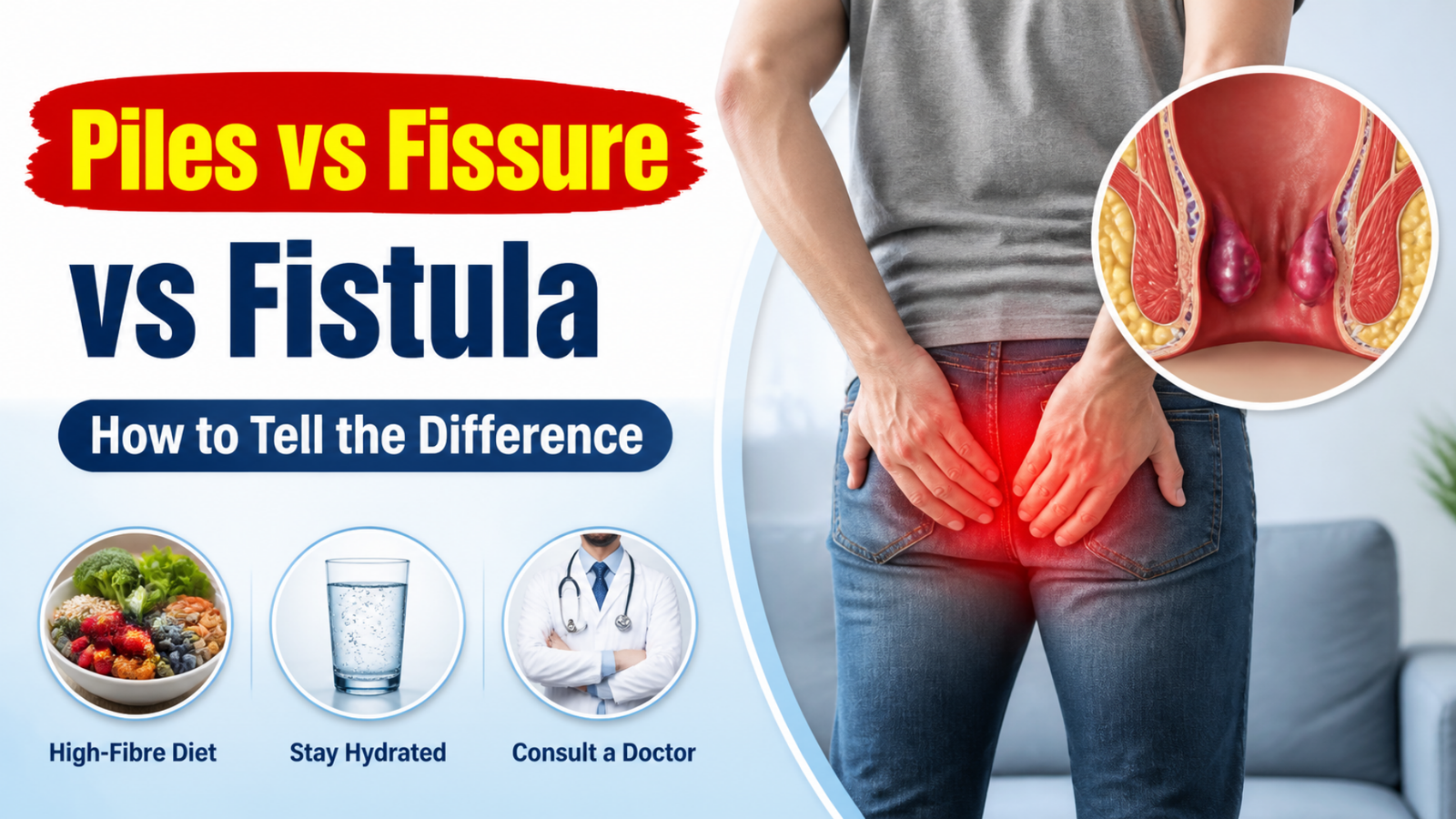
- When it comes to piles vs fissure vs fistula, all three cause problems around the anus, but they are different conditions with different treatments.
- Piles are swollen blood vessels. They often bleed without pain.
- A fissure is a small tear. It causes sharp, cutting pain when you pass stool.
- A fistula is a small tunnel under the skin. It causes pus or discharge and a boil that keeps coming back.
- Self-diagnosis is unreliable. A short examination by a proctologist tells you exactly what you have.
Introduction
Pain, bleeding or a lump near the anus is something most people would rather not talk about. Many simply assume it is “piles” and try creams or home remedies for weeks. But piles, fissures and fistulas are often confused, and treating the wrong condition only delays healing.
The good news is that each condition has clear, recognisable signs. This guide explains how piles vs fissure vs fistula differ, so you know what your symptoms may mean and when to see a doctor.
In This Article
- What Are Piles?
- What Is an Anal Fissure?
- What Is an Anal Fistula?
- Piles vs Fissure vs Fistula: Side-by-Side Comparison
- Can You Have More Than One?
- How Doctors Tell Them Apart
- Treatment Options at a Glance
- Piles vs Fissure vs Fistula: Quick Symptom Checker
- When to See a Doctor
- Frequently Asked Questions
- Get the Right Diagnosis at Medfine Hospitals
What Are Piles?
Piles (haemorrhoids) are swollen blood vessels in or around the anal canal. Everyone has these cushions of blood vessels, but constant straining, constipation, pregnancy or long hours of sitting can make them swell and slip down.
- Internal piles form inside the anal canal. They usually cause painless, bright red bleeding during or after a bowel movement, and may come out (prolapse) when you strain.
- External piles form under the skin around the anus. They can feel like a soft lump and become very painful if a blood clot forms inside them.
Other common signs include itching, a feeling of incomplete emptying, and mucus discharge. Read more in our guide on internal vs external piles.
What Is an Anal Fissure?
An anal fissure is a small tear or cut in the thin lining of the anal canal. It is most often caused by passing a hard, dry stool, but long-standing diarrhoea, childbirth and constipation can also cause one.
The main sign is pain, not bleeding:
- Sharp, burning or “glass-like” pain while passing stool
- Pain that continues for minutes to a few hours afterwards
- A small streak of bright red blood on the toilet paper or stool
- Fear of going to the toilet, which makes constipation and the tear worse
A fissure that heals within about 6 weeks is called acute. One that lasts longer is chronic and may form a small skin tag that people often mistake for a pile. See common mistakes that delay anal fissure healing.
What Is an Anal Fistula?
An anal fistula is a small tunnel that connects the inside of the anal canal to the skin near the anus. It usually starts as an infected gland that forms an abscess (a painful, pus-filled swelling). When the abscess bursts or is drained, it can leave this tunnel behind.
Typical signs of a fistula:
- Pus or blood-stained discharge that stains your underwear
- A small opening in the skin near the anus
- A painful boil that keeps coming back in the same place
- Pain and swelling that get worse when sitting
- Fever when the infection flares up
Unlike many fissures, a fistula does not heal on its own once the tunnel has formed. Learn about fistula treatment without operation.
For a general overview, you can also read the NHS guide to anal fistula.
Piles vs Fissure vs Fistula: Side-by-Side Comparison
| Feature | Piles | Fissure | Fistula |
|---|---|---|---|
| What it is | Swollen blood vessels | A tear in the anal lining | A tunnel between the anal canal and skin |
| Main symptom | Painless bleeding or a lump | Sharp pain during and after passing stool | Pus or discharge, recurring boil |
| Bleeding | Bright red, often drips or splashes | Small streak on tissue paper | Mixed with pus, if any |
| Pain | Usually mild; severe only if clotted | Severe, cutting pain linked to bowel movements | Throbbing pain and swelling, worse when sitting |
| Lump or opening | Soft lump, may come out on straining | Small skin tag in chronic cases | Small opening in the skin near the anus |
| Common cause | Straining, constipation, pregnancy, long sitting | Hard stools, constipation, diarrhoea | A previous anal abscess or infection |
| Heals on its own? | Mild cases can settle with diet changes | Many acute fissures heal in a few weeks | Rarely; usually needs a procedure |
Can You Have More Than One?
Yes. These conditions can occur together. Someone with long-term constipation may have both piles and a fissure, and a chronic fissure’s skin tag can look like an external pile. This is another reason why an examination is better than guessing from symptoms alone. Our post on conditions that mimic piles explains other look-alikes.
How Doctors Tell Them Apart
A proctologist can usually confirm the diagnosis in a single, short visit:
- Medical history: when the symptoms started, what the pain feels like, and your bowel habits.
- Physical examination: a gentle look at the area, which often shows a fissure, external pile or fistula opening straight away.
- Proctoscopy: a small, lubricated instrument is used to see internal piles. It takes a few minutes.
- MRI fistulogram: for fistulas, this scan maps the path of the tunnel before treatment is planned.
The examination is done privately and with care. Most patients find it far easier than they feared.
Treatment Options at a Glance
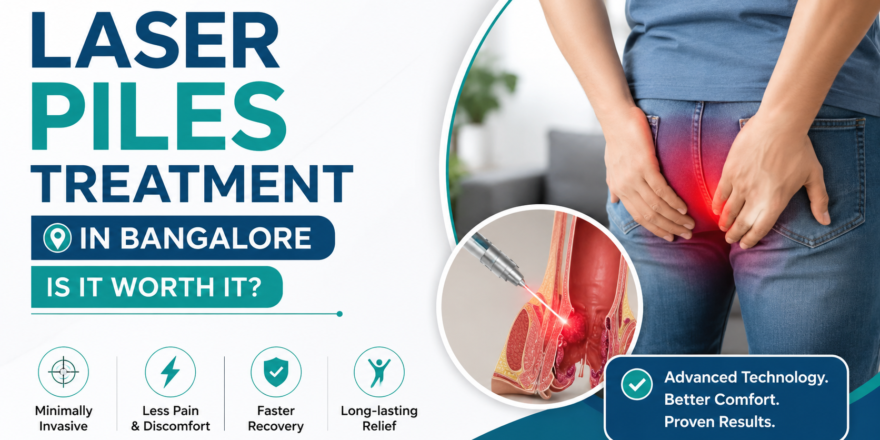
- Piles: high-fibre diet, plenty of water and sitz baths for mild cases. Laser piles treatment or other procedures for larger or bleeding piles. See laser piles treatment in Bangalore.
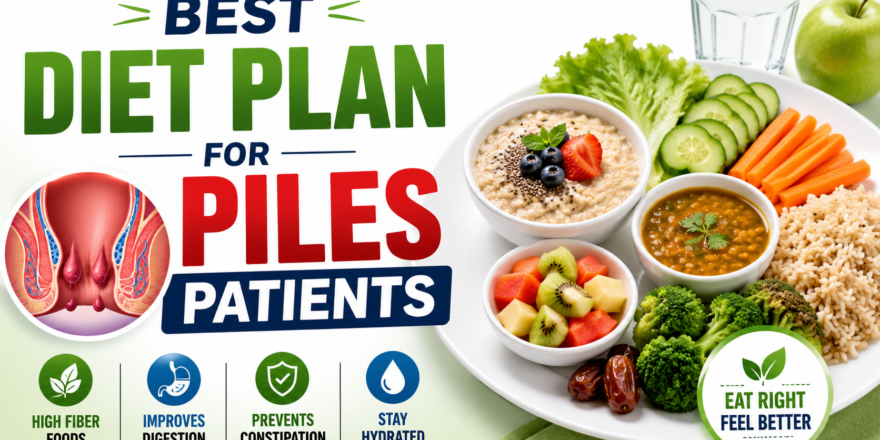
- Fissure: stool softeners, fibre, sitz baths and prescribed ointments that relax the anal muscle. Chronic fissures may need laser treatment or a minor procedure. See our diet for fissure patients.
- Fistula: medicines only control infection. Minimally invasive procedures such as laser (FiLaC), VAAFT or LIFT close the tunnel while protecting the muscles that control bowel movements.
Piles vs Fissure vs Fistula: Quick Symptom Checker
Use this quick guide to understand which condition your symptoms point to. It is not a diagnosis, but it can help you describe your symptoms clearly to a doctor.
- Bright red blood with little or no pain: most often internal piles.
- A soft, tender lump at the anal opening: often an external pile, especially if it appeared after straining.
- Sharp, cutting pain every time you pass stool: a typical sign of an anal fissure.
- Pain that lasts for an hour or more after a bowel movement: also points towards a fissure.
- Pus, a wet feeling or stained underwear: a common sign of an anal fistula.
- A boil near the anus that keeps bursting and coming back: strongly suggests a fistula.
When comparing piles vs fissure vs fistula, remember that symptoms can overlap, and more than one condition can be present at the same time. A short examination is the only reliable way to know which one you have and which treatment will work.
When to See a Doctor
Book a consultation if symptoms last more than a week or keep coming back. Seek medical help urgently if you notice:
- Heavy bleeding, or bleeding with dizziness or weakness
- Dark, maroon or black stools
- Fever with painful swelling near the anus
- Unexplained weight loss or a lasting change in bowel habits
- Severe pain that stops you from sitting or walking
Rectal bleeding is not always piles. It should always be checked, especially if you are over 40 or have a family history of bowel disease. Read when bleeding hemorrhoids are an emergency.
Frequently Asked Questions
Which is more painful: piles, fissure or fistula?
A fissure is usually the most painful, because the tear stretches every time you pass stool. Piles are often painless unless a clot forms. A fistula hurts most when an abscess builds up.
Can a fissure turn into a fistula?
Rarely. A chronic fissure can sometimes become infected and lead to a fistula, but most fistulas start from an anal abscess.
Can piles turn into a fistula?
No. Piles and fistulas have different causes. However, an infection in the area can affect both, so any discharge or recurring swelling should be checked.
Do all three need surgery?
No. Many piles and fissures improve with diet changes and medicines. Fistulas usually need a procedure, but modern laser and minimally invasive options mean smaller wounds and faster recovery.
Get the Right Diagnosis at Medfine Hospitals
Guessing the cause of anal pain or bleeding can lead to weeks of the wrong treatment. At Medfine Hospitals in BTM Layout, Bengaluru, our proctology specialists diagnose and treat piles, fissures and fistulas with advanced laser and minimally invasive procedures.
Call 8431 159 357 or book a consultation to speak with a specialist.