
Introduction
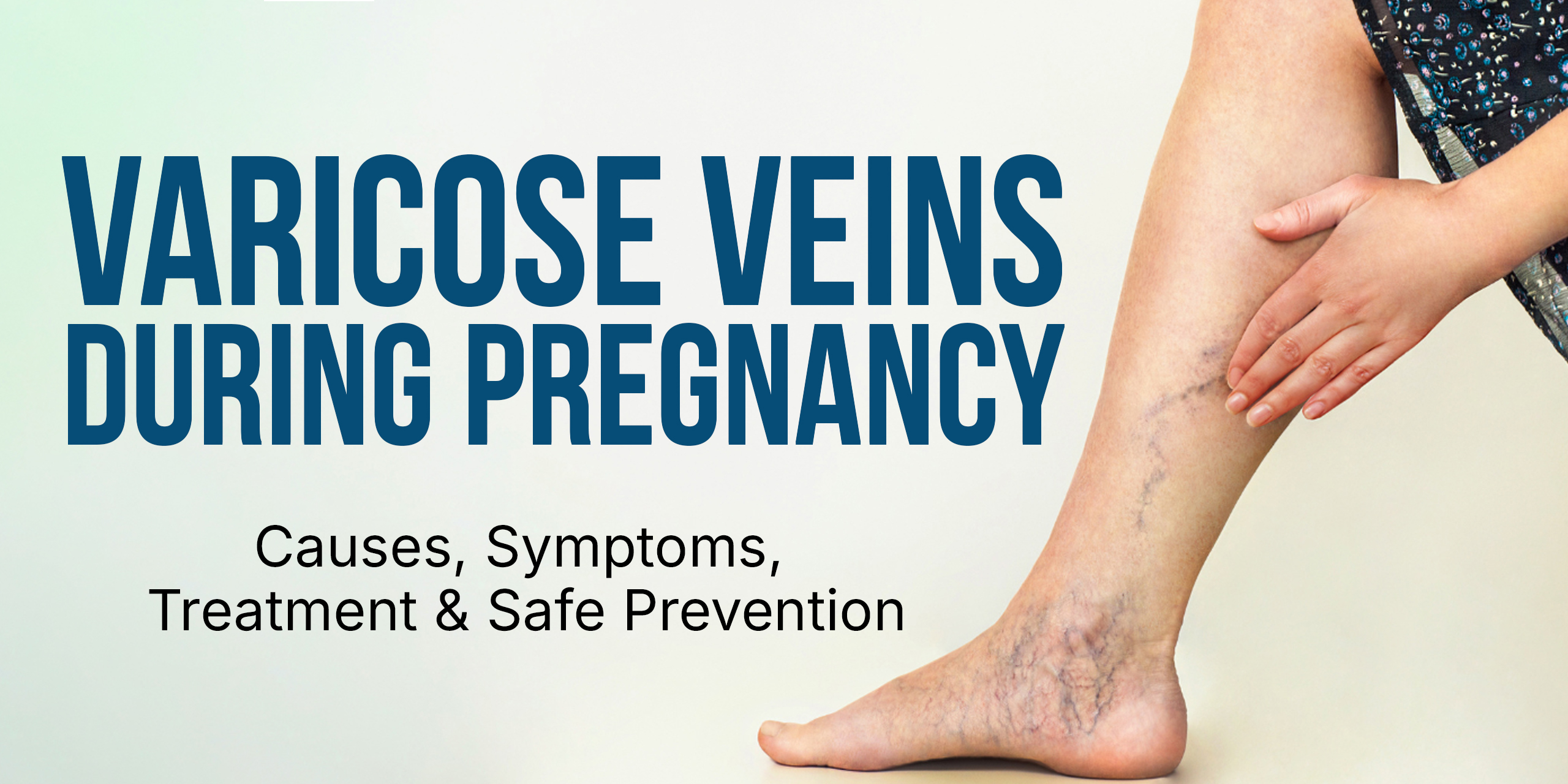
Varicose veins during pregnancy are extremely common, affecting many women due to hormonal changes, increased blood volume, and pressure on the pelvic and leg veins. These swollen, twisted veins often appear on the legs, thighs, vulva, or pelvic region and may lead to pain, heaviness, cramps, swelling, and visible bulging veins. While they are usually harmless, untreated varicose veins can worsen as pregnancy progresses and occasionally lead to complications such as venous insufficiency or thrombophlebitis.
At Medfine Hospitals, our dedicated team of gynecologists, vascular surgeons, and obstetric care specialists provides comprehensive, safe, and pregnancy-friendly treatment for varicose veins. With advanced diagnostics, minimally invasive procedures (when necessary), and personalized antenatal care, we help expecting mothers manage symptoms effectively, prevent progression, and ensure a comfortable and safe pregnancy.
This guide covers everything you need to know—causes, symptoms, treatment options, home remedies, prevention tips, and when to seek medical help—based on trusted medical sources and optimized for search intent.
What Are Varicose Veins in Pregnancy?
Varicose veins in pregnancy are swollen, enlarged, and twisted veins that occur when the veins struggle to push blood back toward the heart. Due to hormonal changes, increased blood volume, and added pressure from the growing uterus, blood flow slows down—causing veins to stretch and become visibly prominent.
During pregnancy, varicose veins commonly appear in the following areas:
- Legs and calves (most common)
- Inner thigh or groin region
- Vulva (vulvar varicosities)
- Pelvic veins (pelvic congestion-related varicosities)
These veins may look blue, purple, bulging, or rope-like and can be accompanied by heaviness, discomfort, or swelling—especially after standing for long periods.
The good news?
Most pregnancy-related varicose veins improve or disappear naturally after delivery, as circulation returns to normal and hormonal levels stabilize.
Why Do Varicose Veins Occur During Pregnancy?
Varicose veins develop more frequently during pregnancy because the body undergoes significant circulatory and hormonal changes. These factors slow down blood flow, weaken vein walls, and increase pressure—leading to swollen and visible veins in the legs, vulva, and pelvic area.
- Increased Blood Volume
During pregnancy, the body produces 40–50% more blood to support the growing baby. This added volume puts extra pressure on the veins, especially those in the legs, causing them to stretch and bulge.
- Hormonal Changes (Progesterone)
Progesterone levels rise significantly during pregnancy. While essential for supporting the pregnancy, this hormone also relaxes vein walls, making it easier for blood to pool.
- Pressure From the Growing Uterus
As the uterus expands, it compresses the inferior vena cava and pelvic veins, slowing blood return from the legs. This pressure buildup directly contributes to the development of leg varicose veins and vulvar varicosities.
- Genetics / Family History
A strong family history of varicose veins increases the chances of developing them during pregnancy. Weak vein valves are often inherited, making some women more prone to venous issues.
- Weight Gain & Reduced Movement
Pregnancy-related weight gain increases the load on leg veins, while reduced physical activity can slow circulation—both contributing to varicose vein formation.
Symptoms of Varicose Veins During Pregnancy
Pregnancy-related varicose veins can present with a range of visible and uncomfortable symptoms. These signs usually worsen as pregnancy progresses due to increased pressure on leg and pelvic veins. Recognizing early symptoms helps in timely management and preventing complications.
Common Symptoms to Watch For
- Bulging blue or purple veins
Visible, twisted, rope-like veins on the legs, thighs, or vulva are the most noticeable sign. - Leg heaviness or fatigue
A constant feeling of tired or weighted legs, especially at the end of the day. - Burning, throbbing, or aching pain
Discomfort may increase after standing or walking for long periods. - Swelling in legs, feet, or ankles
Fluid retention and poor venous return commonly cause edema. - Itching or irritation around the affected veins
Dryness and skin irritation occur due to poor blood flow. - Pain worsening after prolonged standing
Standing or sitting for long periods intensifies pressure on leg veins, increasing symptoms.
These symptoms are common and often harmless but should be monitored—especially if swelling becomes severe, one leg becomes more painful than the other, or the skin changes color.
Are Varicose Veins Harmful During Pregnancy?
Most varicose veins during pregnancy are harmless, temporary, and resolve naturally after childbirth. They occur due to normal physiological changes—like increased blood volume and pressure on pelvic veins—so they’re rarely dangerous.
However, in some cases, untreated or severe varicose veins may lead to complications that require medical attention.
Possible Complications to Be Aware Of
- Superficial Thrombophlebitis
A small blood clot forms in a surface vein, causing redness, warmth, and pain. - Bleeding from Varicose Veins
Weakened, stretched veins—especially in the legs or vulvar region—may bleed if injured. - Skin Irritation, Darkening, or Inflammation
Chronic vein pressure can cause itching, discoloration, or patches of hardened skin.
While these complications are uncommon, proper monitoring during pregnancy helps ensure early detection and timely management.
At Medfine Hospitals, our gynecology and vascular care teams work together to track symptoms closely and provide safe, mother-focused treatment options.
When to See a Doctor?
While most pregnancy-related varicose veins are harmless, certain symptoms require immediate medical attention.
Visit a specialist at Medfine Hospitals if you experience:
- Severe or worsening leg pain
- Hard, red, or warm veins (possible superficial thrombophlebitis)
- Sudden swelling in one leg — may indicate a vein obstruction
- Skin darkening, irritation, or ulcer-like patches
- Painful vulvar swelling that affects daily movements
Timely evaluation helps prevent complications and ensures a safe pregnancy experience.
Safe Home Remedies & Self-Care Tips
These pregnancy-safe self-care measures help reduce discomfort and improve circulation:
- Elevate your legs several times a day
- Avoid prolonged standing or sitting
- Wear compression stockings to support blood flow
- Sleep on your left side to reduce pressure on the vena cava
- Take gentle daily walks or practice prenatal exercises
- Stay well-hydrated
- Choose loose, comfortable clothing that doesn’t restrict blood flow
Medical Treatment Options for Varicose Veins During Pregnancy
During pregnancy, the primary goal is symptom relief, circulation support, and preventing complications, while ensuring safety for both mother and baby.
Safe Treatments During Pregnancy
- Compression Therapy: Specially designed stockings improve blood flow and reduce swelling.
- Physiotherapy & Circulation Exercises: Gentle leg movements and prenatal exercises support venous return.
- Support Garments for Vulvar Varicosities: Helps relieve pressure and discomfort in the pelvic region.
- Pregnancy-Safe Pain Management: Medications prescribed by specialists to safely control discomfort.
- Regular Monitoring at Medfine Hospitals: Continuous observation by gynecology and vascular experts ensures early detection of any complications.
Definitive Treatments After Delivery
Once postpartum recovery is complete, long-term solutions can be considered to treat residual varicose veins:
- Sclerotherapy: Minimally invasive injection therapy to close affected veins.
- Laser Ablation: High-precision procedure to seal and remove problem veins.
- Radiofrequency Ablation (RFA): Advanced technique for effective vein closure with minimal downtime.
- Surgical Treatment: Reserved for severe or recurrent varicose veins not responding to other therapies.
At Medfine Hospitals, our multidisciplinary team of gynecologists and vascular specialists ensures safe, minimally invasive, and effective treatment—both during pregnancy and postpartum—for long-term relief and improved quality of life.
Varicose Veins in Pregnancy – Prevention Tips
Adopting simple lifestyle habits during pregnancy can reduce the risk of varicose veins, relieve discomfort, and support healthy circulation.
- Stay Active Throughout the Day: Gentle walking, stretching, or prenatal exercises improve blood flow in the legs and pelvis.
- Maintain Healthy Weight Gain: Keeping pregnancy weight within recommended limits reduces pressure on veins.
- Eat a Fiber-Rich Diet: High-fiber foods prevent constipation, straining, and additional venous pressure.
- Sleep on Your Left Side: Relieves pressure on the vena cava and promotes better leg circulation.
- Avoid Crossing Your Legs: Prevents constriction of veins and supports optimal blood flow.
- Stay Hydrated: Adequate water intake keeps blood volume balanced and prevents swelling.
- Use Supportive Garments if Needed: Compression stockings or pelvic support garments can provide extra protection.
By integrating these preventive measures into daily routines, expecting mothers can reduce the risk of varicose veins, alleviate leg heaviness, and improve overall comfort during pregnancy.
FAQs – Varicose Veins During Pregnancy
Do varicose veins go away after pregnancy?
Yes. Most pregnancy varicose veins fade within a few months after delivery.
Are varicose veins dangerous during pregnancy?
Usually not. Rarely, they may cause mild clotting or bleeding, which needs medical attention.
How can I relieve varicose vein pain naturally?
Elevate your legs, use compression stockings, walk daily, drink enough water, and avoid long standing.
Do varicose veins affect normal delivery?
No. They generally do not interfere with vaginal delivery, even if vulvar veins are present.
When should I see a doctor?
If you have severe pain, sudden swelling, hard or warm veins, skin changes, or worsening vulvar varicosities.
Final Takeaways
- Varicose veins during pregnancy are common and usually temporary.
- Caused by natural hormonal changes, increased blood volume, and pressure on leg and pelvic veins.
- Proper self-care—like leg elevation, gentle exercise, and compression stockings—helps reduce discomfort.
- Regular monitoring by specialists ensures early detection and prevents complications.
- Safe medical interventions, if needed, provide effective relief during and after pregnancy.
- With guidance from Medfine Hospital’s gynecology and vascular experts, mothers can stay comfortable and enjoy a healthy pregnancy.
Related Links
- Varicose Veins While Pregnant
- Varicose Veins During Pregnancy
Chronic Venous Insufficiency in Pregnant Women